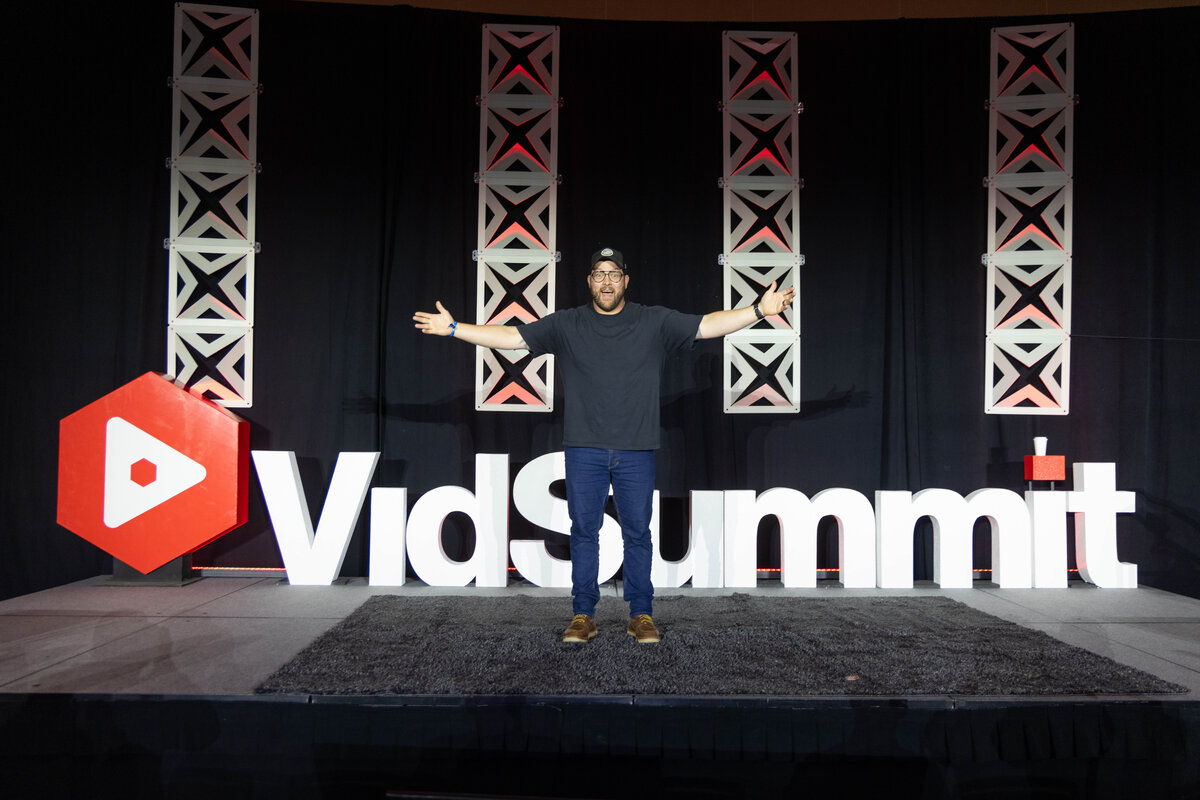
Small town. Big shoulders.
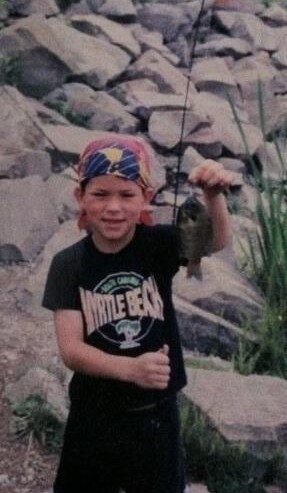
Before the league, before the shop, before the channel — I was a kid from a blue-collar town who liked building things and hitting people. Turns out both of those things would matter later.
I grew up around tools, grit, and the kind of work you feel the next morning. Nobody in my family was a creator. Nobody was an entrepreneur in the TikTok sense. They were operators. Plumbers, coaches, teachers, contractors. People who showed up and got things done whether or not anyone was watching.
That's the DNA this whole business got built on. Not a personal brand. A work ethic.
Four years. Five teams. 13 cuts. One lesson.
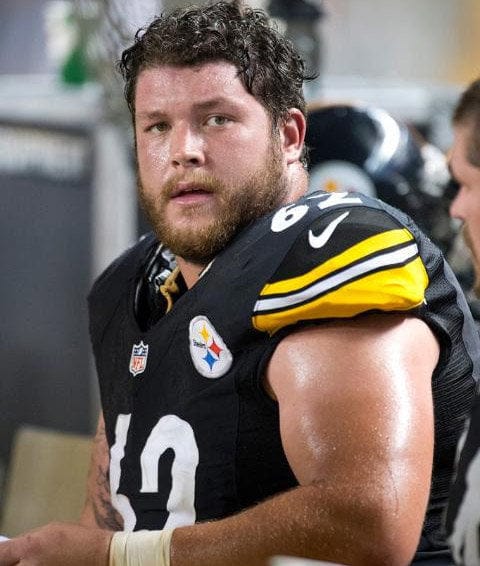
I played offensive line for the Tennessee Titans, Cleveland Browns, Washington Redskins, Tampa Bay Buccaneers, and the Pittsburgh Steelers. Four years of grinding in a league that reminds you every day you're replaceable.
The NFL didn't teach me to be a CEO. It taught me something better: consistency beats talent, film doesn't lie, and the locker room is everything. I watched guys with way more talent than me wash out because they couldn't operate. And I watched average athletes build decade-long careers because they showed up prepared every single day.
When my career ended, most guys chase the next easy thing — coaching, or some crummy sales job. I moved back in with my parents. Realized very quickly that I had no idea what I was going to do with the rest of my life. So I did what every 24-year-old whose entire life dreams got ripped away from them. I got drunk in my buddy's garage…
In doing this, though, we realized that my buddy could use some furniture, and then I liked to build stuff with this new hobby I picked up while I was still playing, so we just started making furniture for his house. That's when the idea to turn this into a business started to blossom.
I didn't have a plan. I had a problem: I needed to fund a silly dream.
A silly dream in a buddy's garage.
I started filming in 2013. One camera, one tripod, a borrowed garage, and a dream I couldn't fully articulate yet.
The first content was rough. Bad lighting, worse editing, and a guy with no business teaching anyone anything. I was focused on Instagram because it was new, and I wanted clients. I sucked. It sucked. But I kept showing up — the same way I did when I was trying to make a roster. Post, review, learn, post again.
For the first two years it felt like nothing was happening. My audience was my mom and maybe 400 other people. Some carry over fans from the NFL who would comment “I love the steelers!”
Then I jumped on youtube. I just copied what was working for others. Nothing glamorous.
A video about a cross cut sled and a coffee table ‘took off’.
The channel went from a side project to a real thing almost overnight — but the “overnight” was 24 months of unglamorous work.
- Posting consistently without fail, even when nobody was watching
- Learning to edit, light, and shoot because I couldn't afford to hire it out
- Treating every video like game film — what worked, what didn't, what to change
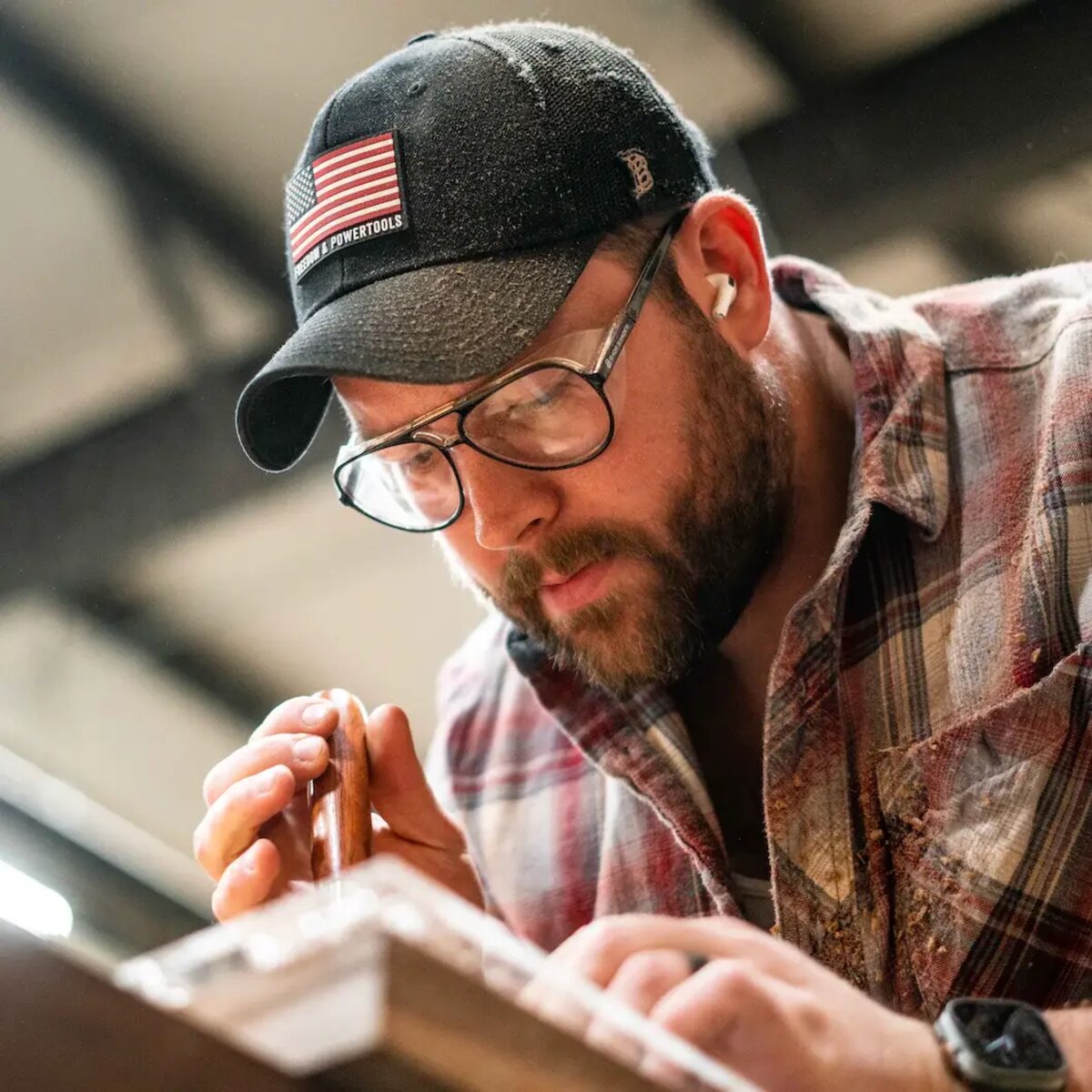
When the channel became a company.
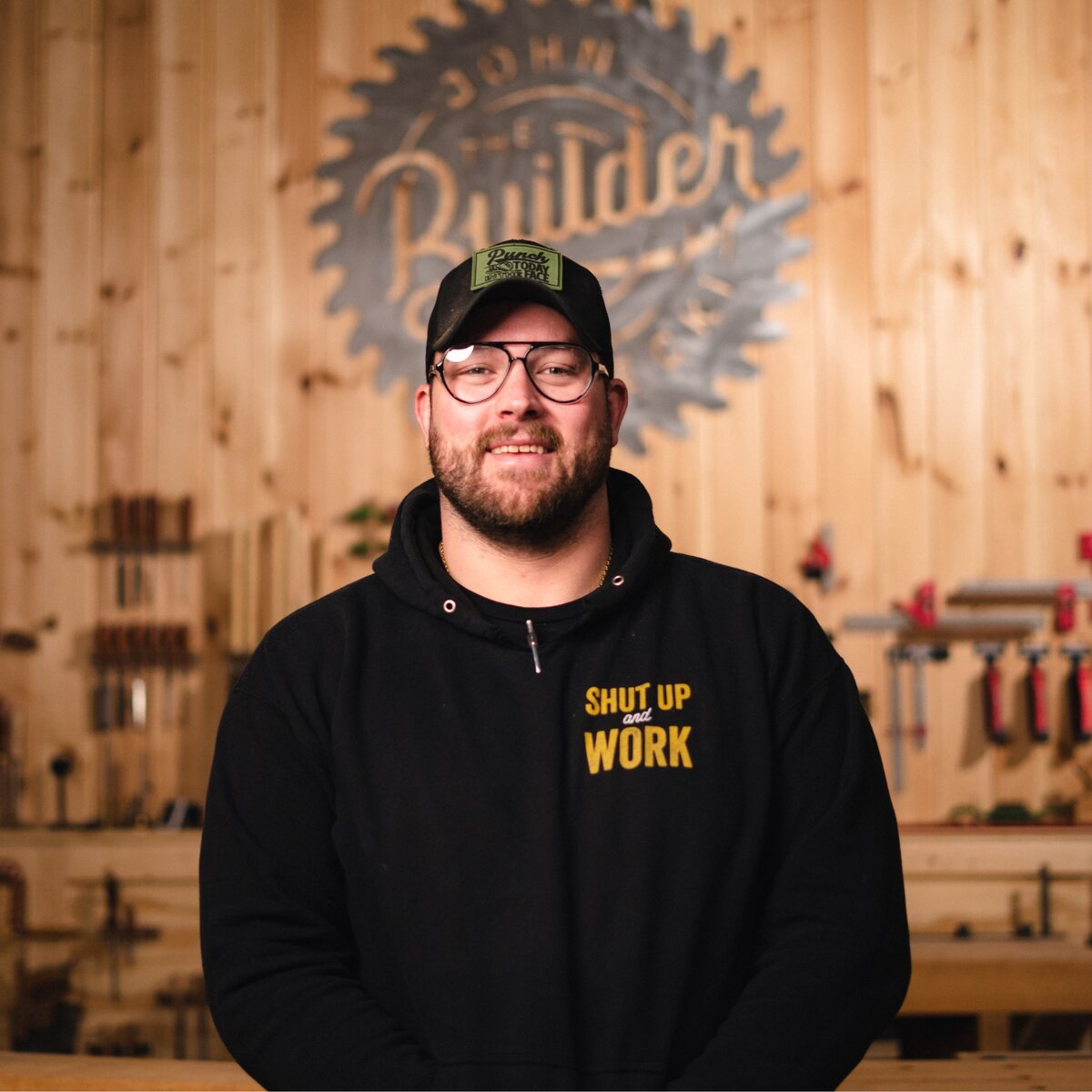
Somewhere around 2019, the math changed. It wasn't a channel anymore. It was payroll, contracts, deadlines, and a very real business that a lot of people depended on.
That's the moment most creators hit a wall. The tactics that got you to 300K in revenue don't work at 1M. You can't out-hustle the scaling problem — you have to out-operate it.
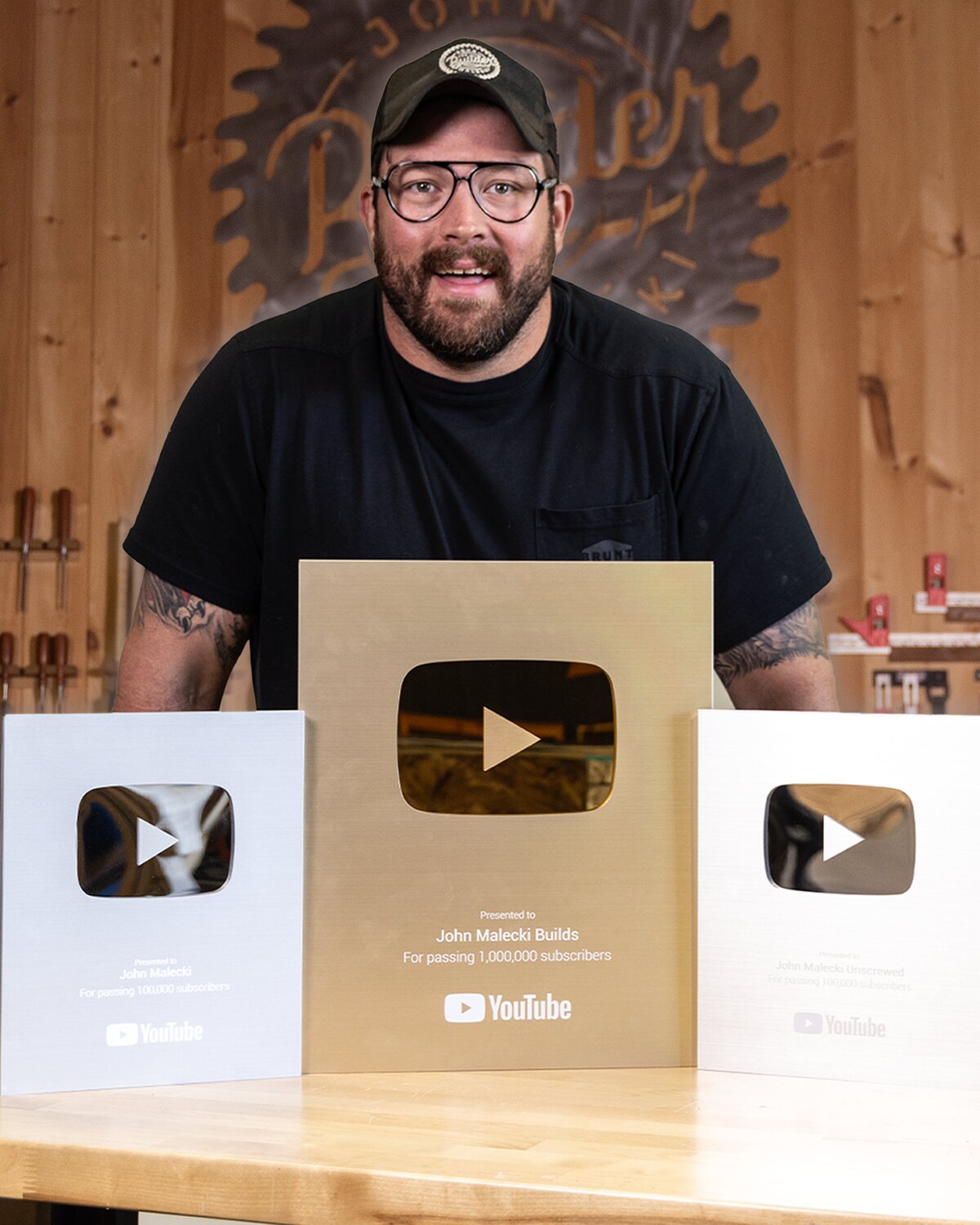
I hired my first editor around 100k subscribers. Then some shop help. Then an E-comm guy. I really didn't know what I was doing. I just needed help and more bodies felt like the answer. I knew in order to grow I had to stop being the talent and start being the CEO.
Well before hitting 1M subs, the channel had become the top of a funnel that fed a real media business: shop merch, partnerships with brands we actually respected, a product line, and the kind of margin that doesn't depend on any single upload. Things were starting to click and make sense.
From content to catalog.
Brand deals are rented revenue. Products are owned revenue. If you don't own the thing, you don't own the business.
We launched our first product line with the same operating principles I learned in the NFL: prepare obsessively, ship on the schedule, study the tape. The first drop worked. The second was bigger. Everything started to change after that.
Today the e-com business does seven figures on its own — not as a merch tie-in, but as an actual product company with supply chain, fulfillment, and a brand people trust without needing a video to sell it.
This is the part of the story most creators skip: building a product company is a completely different sport than building an audience. One is about attention. The other is about operations. Most creators know how to do the first. Almost nobody teaches the second.
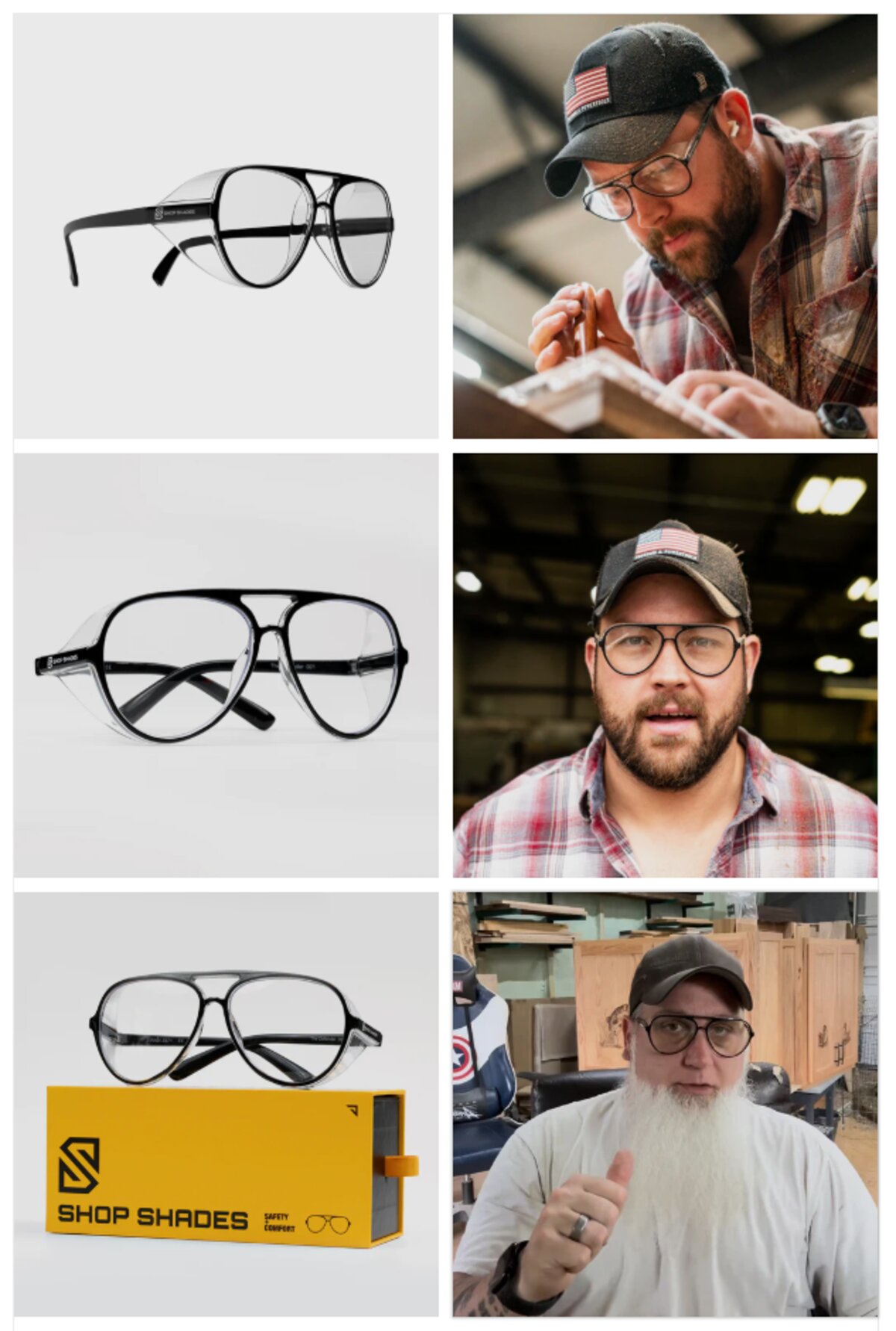
What I actually do all day.
People assume creators spend their days filming. I spend mine in meetings, spreadsheets, and 1:1s with a team that runs the operation.
A typical week: Monday is strategy and numbers — P&L review, pipeline, product roadmap, we film our lowest lift content (Podcast) to get it ready to ship for friday. Tuesday-Wednesday is creative — filming, building, creative work. Thursday is dedicated to The Creator Playbook. I focus intently on the product and community so that it gets the attention it deserves. Friday is flex day to whatever didn't ‘go right’ during the week.
Its not perfect, its not concrete. But i promise you this, its more structure than most creator businesses. Guaranteed.
That calendar is the single biggest reason the business compounds. Every hour has a job. Every week has a rhythm. The channel is just one output of a much bigger operating machine.
- Still film weekly, but it's 20% of my time not 100%
- Team of 12+ across content, product, and ops
- Still in the shop every week because I'm not retiring from the work
Why I built this.
Every week another creator DM's me asking the same questions. How do you hire? How do you think about product? When do you walk away from a brand deal? What does your CEO week actually look like?
I answered them one at a time for years. Then I realized the problem: the creator economy has a million people teaching content and almost nobody teaching how to run a Creator Business. The “gurus” are creators whose only product is teaching other creators. That's not a business — that's a pyramid.
The Creator Playbook is built from the other direction. Everything in it comes out of the real business we run every day — SOPs we actually use, hires we actually made, Dashboards our whole team uses, mistakes we actually paid for.
If you're doing real numbers and ready to run a real company — not just post more — the Boardroom is where that happens. Real Creator CEOs. Weekly group coaching sessions with me. Real tools and real experience.